

Week 1


Intro to GivingTuesday
Debunk myths and all you need to know about the global generosity movement
Learn more Unlocks 09/08Get ready for
Join millions in the global generosity movement.
Scroll down to explore our tools, resources, and tips to make your campaign a success.

Fresh tools, tips, and content every week to power your GivingTuesday plans.
Debunk myths and all you need to know about the global generosity movement
Learn more Unlocks 09/08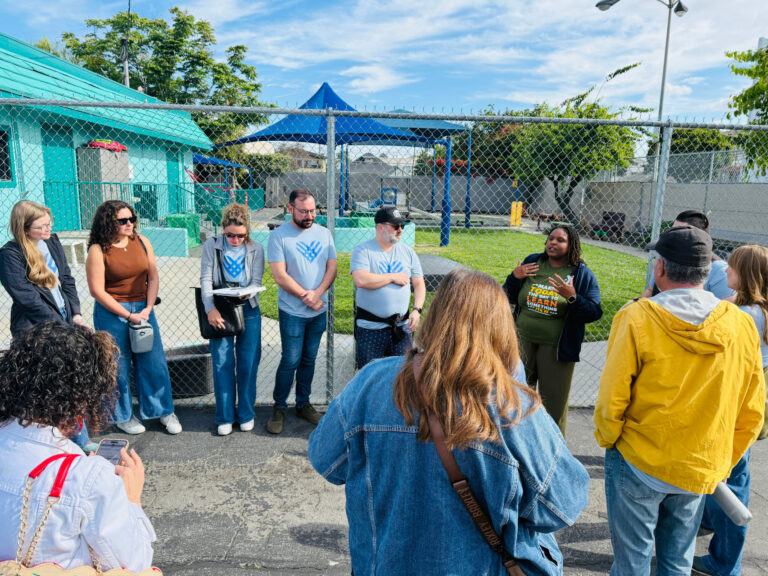
This is your roadmap to planning a campaign
Check out the Guide Unlocks 09/15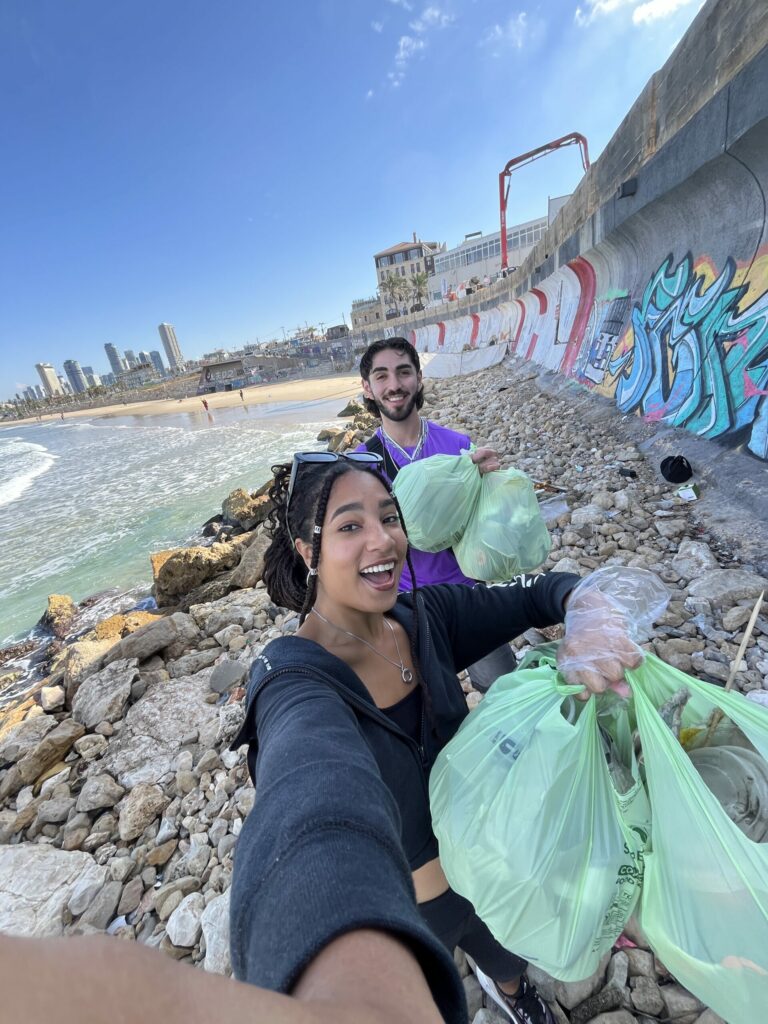
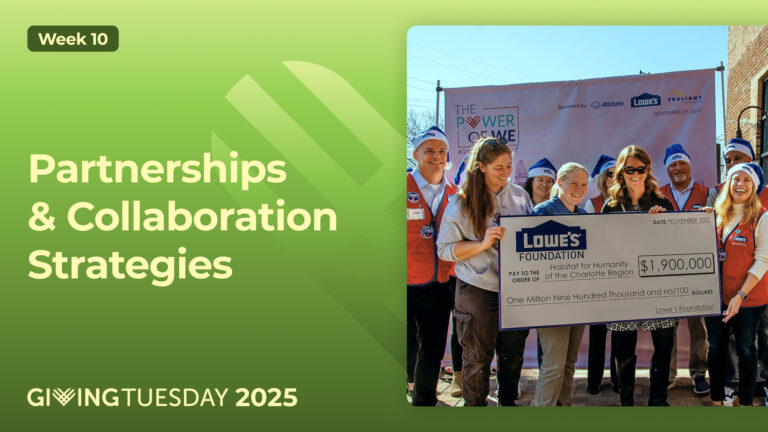
Learn about to building and maintaining partnerships
Explore Now Unlocks 09/22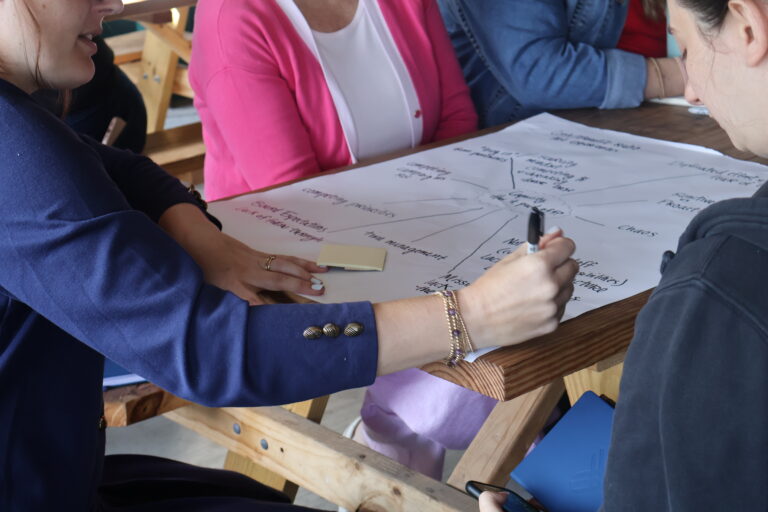
A deep dive with the GivingTuesdays communications team
Learn How to Repurpose Your Content Unlocks 09/29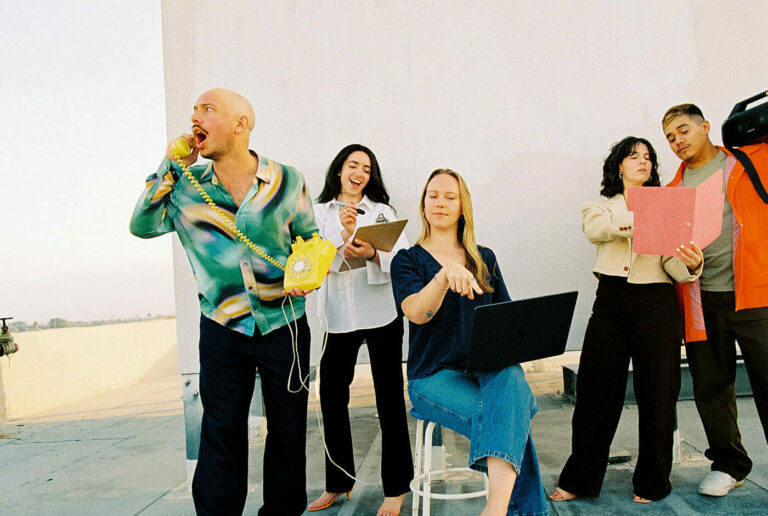
How to make the most of your communications budget with PLAYING
Make Some Noise Unlocks 10/06
How to plan a successful in-person or virtual event
Unlocks 10/13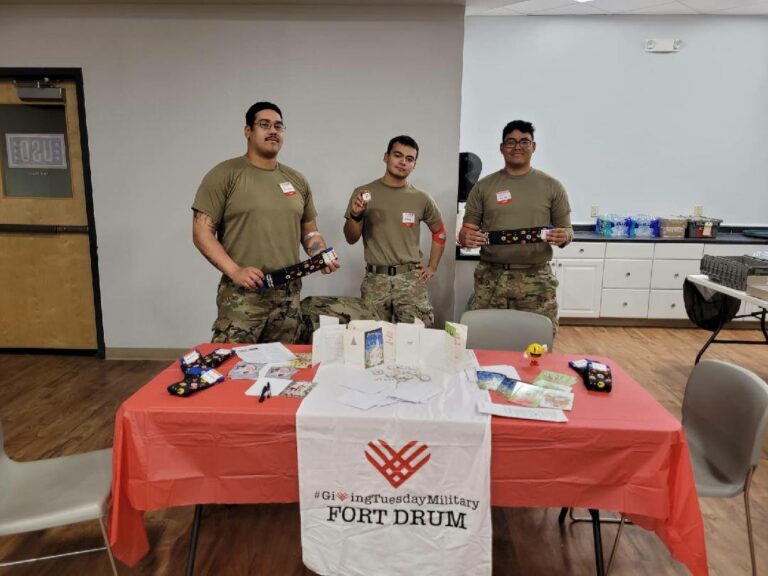
Expert advice on all things fundraising
Unlocks 10/20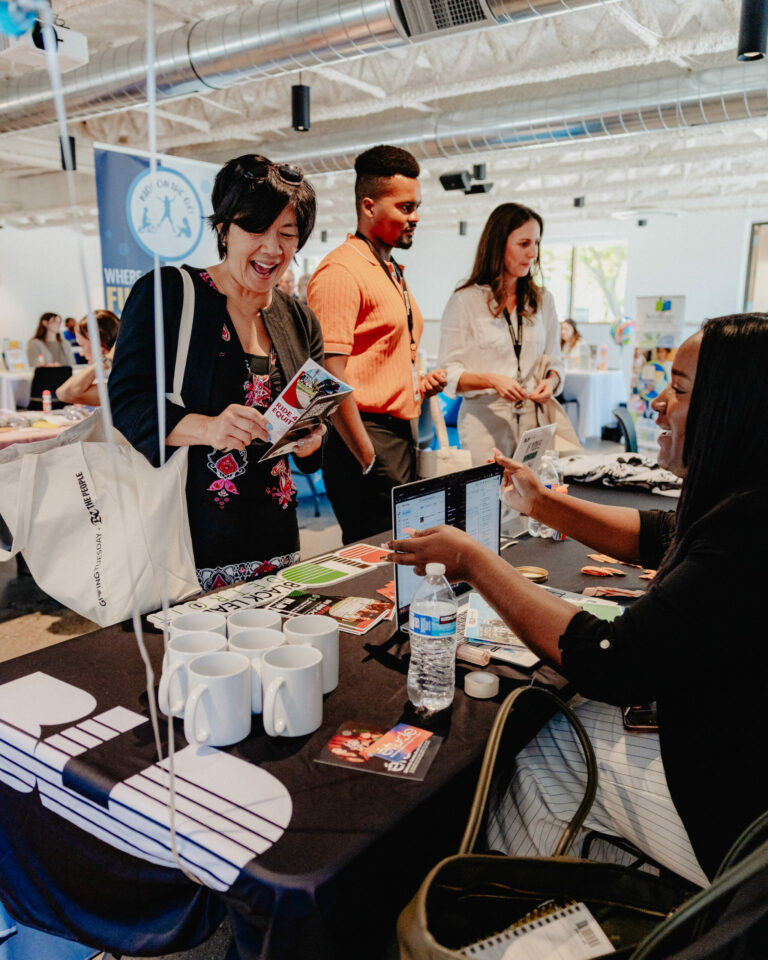
Global coverage of successful campaigns
Unlocks 10/27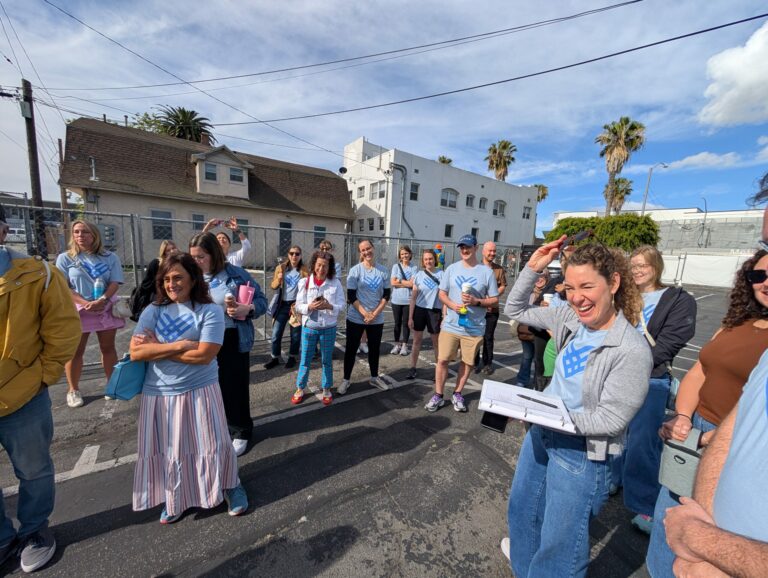
In-depth insights on how to get your message out
Unlocks 11/03
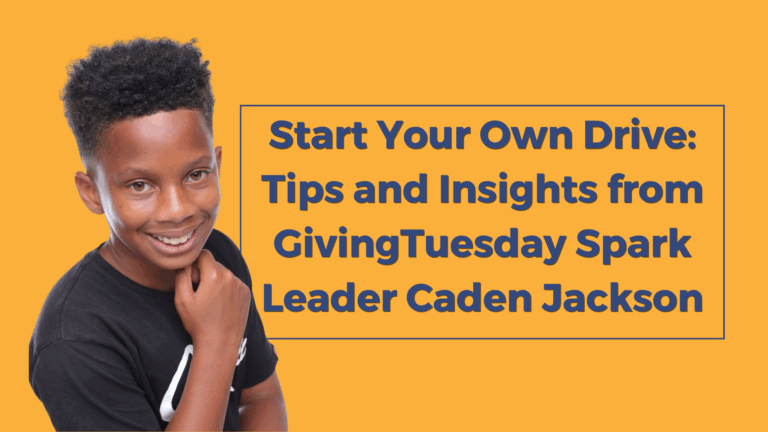
How GivingTuesday Spark Leaders make an impact
Unlocks 11/10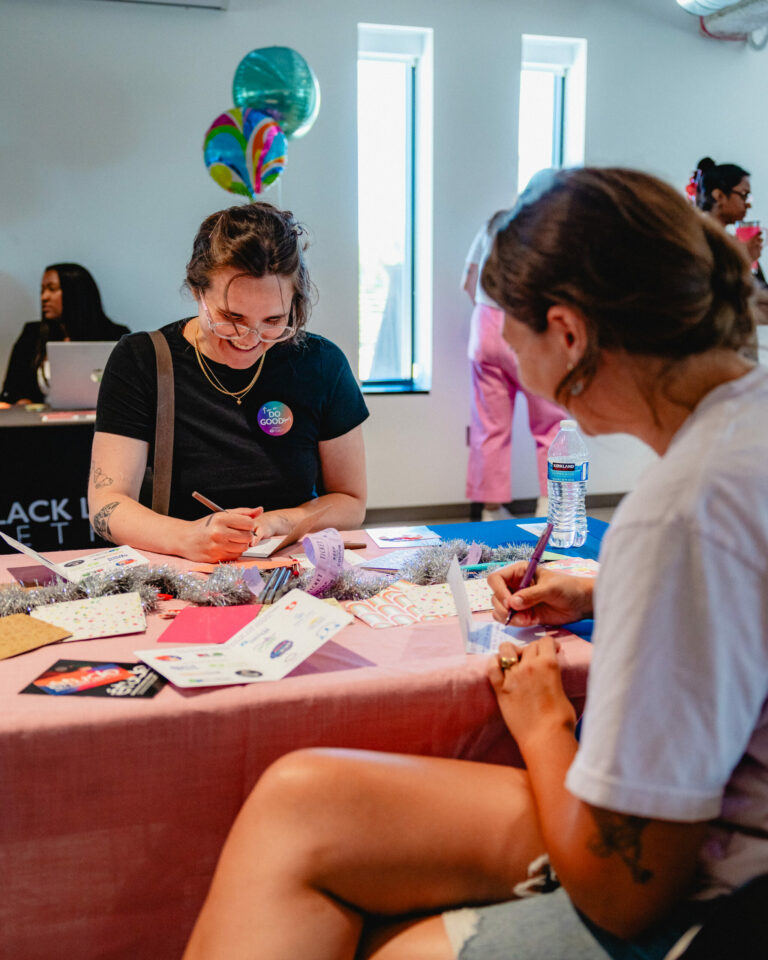
Tips and tricks to make the most of your planning
Unlocks 11/17
Stories and ideas to tighten up your campaign
Unlocks 11/24Here, you'll find curricular ideas, activities, and inspiration designed to be taken, adapted, and shared.

Each week, The AI Corner shares questions and insights for your organization as you navigate your AI journey, along with tips, prompts, and tools aligned with our 12-week series. Follow along here or in our newsletter so you never miss an update.
Today, the topic of AI seems to be everywhere, but alongside the enthusiasm come real questions for nonprofits. What happens to human work and value when we hand parts of it to a machine? What about the environmental cost of these tools, or the human creativity that trained them and the labor they might displace? These questions deserve serious answers.
At the same time, the nonprofit sector keeps hearing that AI can augment its work and amplify its impact. That part is true, too. Small teams are drafting donor communications faster, making sense of messy data, and taking on projects that used to require a budget line they didn’t have.
Wherever your organization is on your AI journey, a GivingTuesday campaign is a good moment to make room for the conversation. It’s a bounded project with clear deliverables and a firm deadline, an ideal opportunity to try something and find out whether it genuinely helps you and your team. That’s what this series is for. In the coming weeks we’ll share practical ways to use AI in your GivingTuesday planning, along with the questions worth asking before you do. We hope it encourages exploration and education that amplifies your work. A great place to start is developing an AI use policy at your organization, and we’ve included some solid resources below.
If you’ve tried an AI tool and found the results lacking, frequently it isn’t the tool that’s the problem. Ask an LLM to “write a GivingTuesday appeal” and you’ll get a perfectly competent appeal for a nonprofit in the abstract, but not for your nonprofit.
One fix is a context document, a “campaign brief,” that will take you about 45 minutes to complete. In a blank document, write a brief about your organization: your mission in plain language, who you actually serve, who gives and why, what you tried last GivingTuesday and what you learned, this year’s goal and the constraints you’re working under, and any other relevant information. This is an opportune time to review GivingTuesday’s goal-setting post.
Now put the brief to work with your AI assistant. Use whatever tool you’re comfortable with: Claude, ChatGPT, Copilot, or Gemini as examples. Or take this as a chance to try a new tool (but stick to tools your organization has approved for work tasks). Paste in your brief, then your draft goals, and ask for scrutiny instead of output: Which of these is unrealistic for our size? What am I assuming that I haven’t checked? What haven’t I told you that you’d need to know? The questions it asks back are often the useful part.
Update and save the brief somewhere you can easily access; later entries in this series build on it. Most tools can store this permanently, improving output throughout your GivingTuesday campaign planning.
And two important cautions: Context makes output more relevant, not more true, so read anything the AI delivers thoroughly before you share it. And providing more information doesn’t mean sharing everything: Follow your organization’s AI use policy and always keep confidential information, personally identifiable donor information, and other sensitive data out of any tool that isn’t approved to handle it.
Partnership outreach often fails before anyone writes an email. You’re asking a stranger for something without knowing what they fund, who they’ve supported, or whether you’re the kind of organization they typically work with. That’s a research problem, and research is an area where AI has improved significantly in the past two years. But it matters which job you’re asking it to do.
Start by getting specific. “We want more partners” isn’t a research question. A tool given a vague request will hand back a vague list. Spend ten minutes turning it into criteria: what kind of organization, how close to you, how large, what you actually need from them, whether that’s matching funds, a venue, volunteers, a co-host, or an audience. Paste in your Campaign Brief from Week 2, describe the kind of partner you’re after, and ask what else the tool would need to know to make a useful shortlist. The questions it asks back may reveal gaps in your planning.
Search inward. Your own records hold a partnership map you may have never looked at: board members’ employers, vendors you pay every month, where your volunteers work, donors who own businesses, and more. Pull those organization names into one list (be cautious adding people’s names here; your organization’s AI policy should always apply) and ask what patterns it sees. Which appear more than once? Which cluster by industry or neighborhood? Which roll up to the same parent company? You already know who’s connected to what; this is about seeing the shape of it.
Search outward. Now widen the field. Ask your AI tool for businesses in your area matching your criteria, or companies whose community giving overlaps your cause. Then ask the same question about nonprofits: Who else serves the families you serve, works the same neighborhoods, or shows up at the same community events? A joint campaign with a peer organization costs neither of you much and reaches an audience you don’t already have. Treat everything here as leads, not findings. The tool is generating possibilities, not verified facts.
Search deep. For the handful worth pursuing, use a tool with web search and dig in. ChatGPT, Claude, Gemini, and Copilot all have the ability to search the internet for the most up-to-date information. Search one-by-one or paste in a larger list. What have they sponsored locally? Do they have a foundation, and when do application windows open? What do they explicitly not fund? For a nonprofit prospect: what campaigns have they run, and with whom? Then verify. Double-check the output. If a claim has no link behind it, treat it as a guess.
Everything above stops short of the ask. The introduction from your board chair, the phone call, the thank-you: those stay human. Research earns you a better conversation; it doesn’t replace one.
If you’re using AI to help build a content plan, start by giving it something worth working from. Your past writing combined with campaign goals and a few clear instructions can make a world of difference in creating content that hits the mark and retains your organization’s authenticity of voice.
Mine what you have. Most organizations already have years of useful material: past appeal emails, newsletters, social posts, grant narratives, annual reports, and more. Gather a handful alongside your campaign brief from Week 2 and ask an AI tool to help identify stories, statistics, and themes that still support this year’s goals. Then look for what is missing. Are there priorities in your campaign brief that your existing material doesn’t cover? Use the tool to brainstorm ways to fill those gaps. Together, the strongest material and the gaps you identify can form the basis of your content pillars.
Give the tool your voice before asking it to help. Choose a few pieces of writing that you think represent your organization at its best or that sound most like you if you’ll be doing the writing. Add them to the conversation along with a few clear instructions about tone, voice, and what to avoid. You might tell it to keep the language conversational, avoid jargon, describe the people you serve in a particular way, or steer clear of phrases your organization would never use. Keep those examples and instructions in place as you move into planning. They can guide the tool whether you’re brainstorming ideas, reshaping existing material, or adapting something for a new channel.
Build a plan for how your material travels. Now use the tool to map your strongest stories, statistics, and themes across the campaign. Some ideas may deserve several appearances; others may work best in one place. Ask for help deciding which material could become an email, social post, short video, talking point, or other campaign asset and how it should change for each format and audience. You can also bring in rough drafts or existing copy and ask the tool to tighten or adapt them using the voice and examples you’ve already provided. The goal is to get more mileage from material that is already yours while keeping the substance and voice intact.
A few cautions. Check every statistic against the original document since summaries can drift. Stories about real people need consent before they get a second life. And your organization’s AI use policy still governs what goes into any tool.
By the end, you’ll have a short list of useful material, clear guidance for how AI should work with your voice, and a plan for turning those ideas into content across your campaign. Lessons in the coming weeks will build on that foundation.
If you use AI regularly for an ongoing project, stop starting from a blank chat every time you have a question or a new task to complete. ChatGPT and Claude call them Projects; Gemini and Copilot call them Notebooks. Whatever the name, the idea is simple: create one dedicated space where your AI tool can keep the files, instructions, and conversations that belong to a project like your GivingTuesday campaign. Instead of explaining your organization and campaign again every time, you give the tool a running body of context to work from.
What should go in it? Start with the basics your AI assistant will need to understand your campaign. If you created the Campaign Brief we covered in Week 2’s “Give Your AI Tool Something to Work With” post, add it. If you haven’t, now is a good time to make one that covers your mission, audience, campaign goals, key messages, and other important background. From there, add the materials you’ll keep coming back to: last year’s GivingTuesday campaign and results, this year’s timeline and content plan, examples of writing that sound like your organization, brand or voice guidance, key statistics, approved stories, event plans, partnership research, FAQs, and other useful reference material. You can also give the project standing instructions: Use plain language. Don’t invent statistics. Flag anything that needs verification. Don’t change direct quotes. Include your organization’s AI use policy, too, and tell the tool to flag requests that may fall outside it.
That’s it. Ten minutes of organization now can save you from rebuilding context in dozens of conversations later. It also gives your AI assistant a much better chance of understanding the campaign you’re actually working on.

Get inspired by stories of volunteers putting generosity into action, with ideas for bringing more opportunities to give time and skills into your GivingTuesday campaign. Part of Generosity Week, a collaboration between GivingTuesday and IAVE celebrating generosity in all its forms.
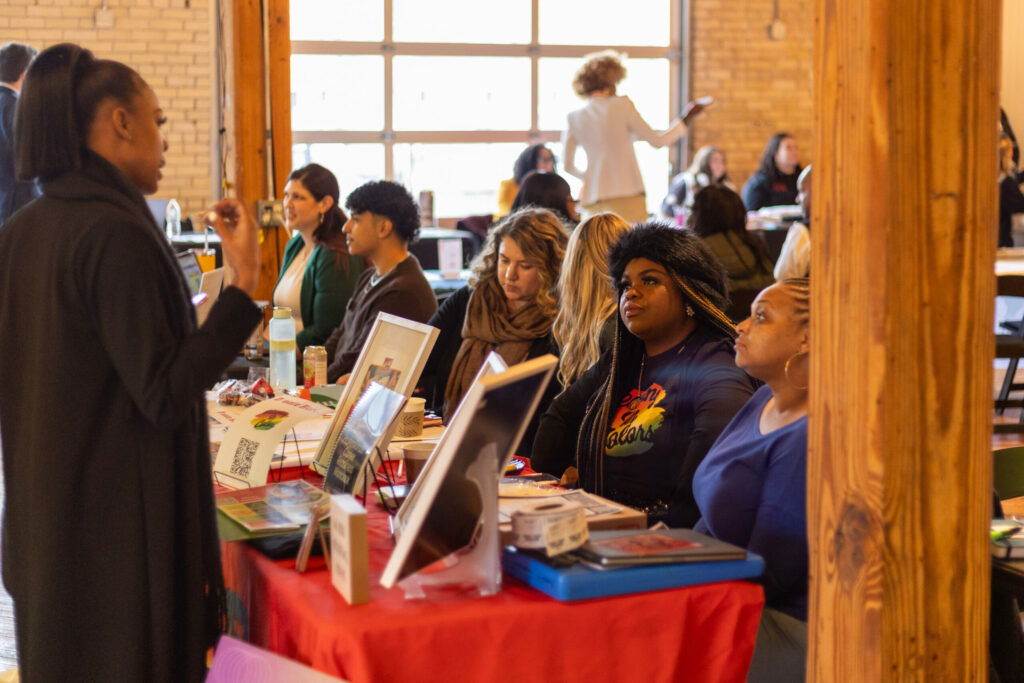
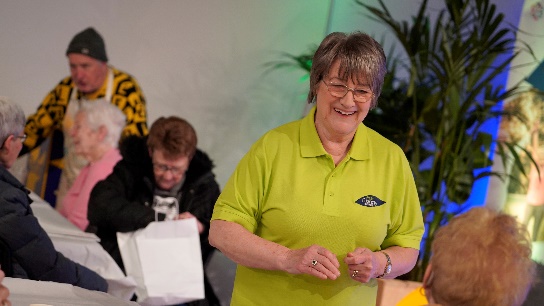
Hazel McLean has been a long-standing volunteer with Volunteer Now, giving her time to projects that champion the rights of older people and help them stay connected to their local community.
For years, she kept coming back to one idea: Belfast City Centre needed a safe space for older people — somewhere they could drop in, spend time with others and find some company in a place where they might otherwise feel isolated or alone.
For ten years, Hazel made the case. She spoke with policy makers and organizations that support older people, without a budget behind the idea and without any guarantee that someone would eventually say yes. But she kept at it.
In 2024, a small pot of funding from the Belfast Health Development Unit made a pilot possible. Working with Age Friendly Belfast, Volunteer Now and the Healthy Ageing Strategic Partnership, Hazel helped shape and design the drop-in center she had been describing for so long.
The center opens every Tuesday, from 11am to 1pm, at 2 Royal Avenue. Two older volunteers give their time at each session. There is tea and coffee for everyone who comes through the door, a place to sit and rest, people to talk to, and information about services and projects for older people.
It took ten years for Hazel’s idea to become a reality. Today, older people in Belfast City Centre have a welcoming place where they can drop in, meet others and find a little company. And the center continues to rely on that same spirit of generosity through volunteering: people giving a couple of hours of their time each week so that anyone who walks through the door has someone there to welcome them.
“When you’re a bit older volunteering helps your mind and body stay active.” — Hazel McLean
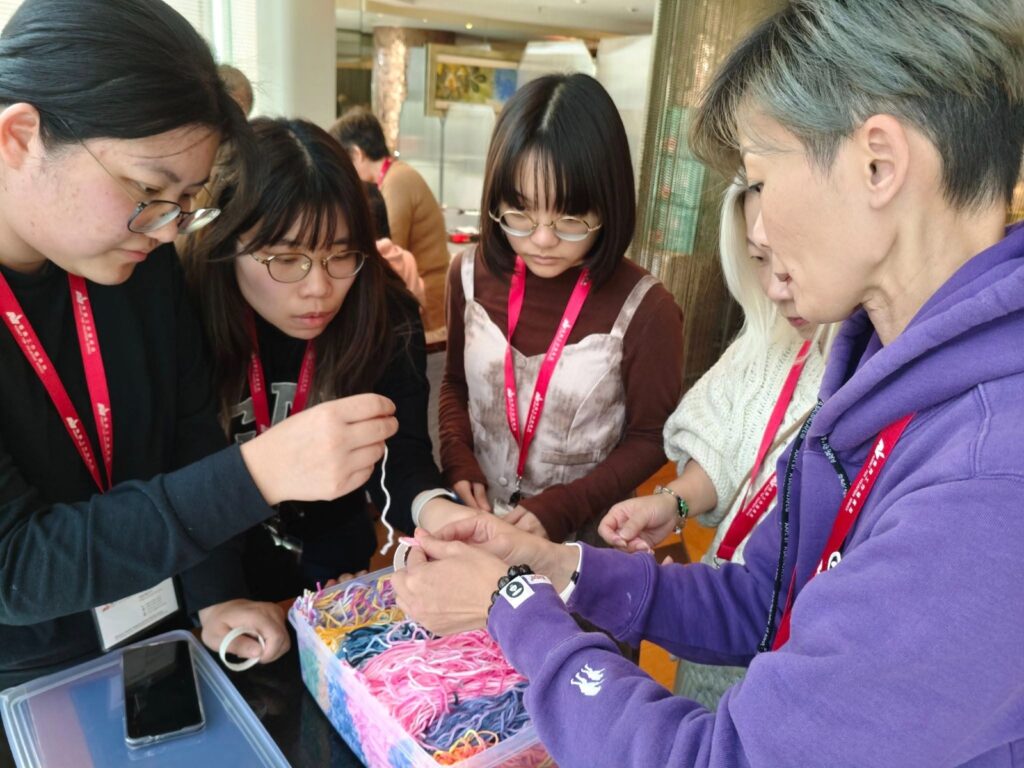
Following a diagnosis of tongue cancer and surgery that significantly affected her ability to speak, Gladys Leung found a “new voice” through creative crafts, including candle making and floral design.
Today, as a dedicated volunteer with Eli Care, part of the Agency for Volunteer Service (AVS) Elite Volunteer Network, Gladys uses expressive arts to bring warmth, comfort and companionship to seniors, patients and caregivers. Through her workshops, she shares more than creative skills. She creates opportunities for people to connect, express themselves and feel supported during difficult moments.
Having experienced the fear and vulnerability that can come with a cancer diagnosis firsthand, Gladys understands what it means to need encouragement and companionship. Her own journey has shaped the way she volunteers, allowing her to meet others with empathy and understanding.
Her commitment to helping others was recognized when Gladys was named a winner of the Outstanding Volunteer Award at the Hong Kong Volunteer Award 2025, co-organized by the Home and Youth Affairs Bureau and the Agency for Volunteer Service.
But for Gladys, volunteering is not simply about recognition. It is a way of expressing gratitude for the second chance at life she has been given, and a way to pay forward the kindness she received during her own journey.
Through her creativity, time and kindness, Gladys continues to turn a difficult personal experience into an opportunity to bring comfort, connection and hope to others.
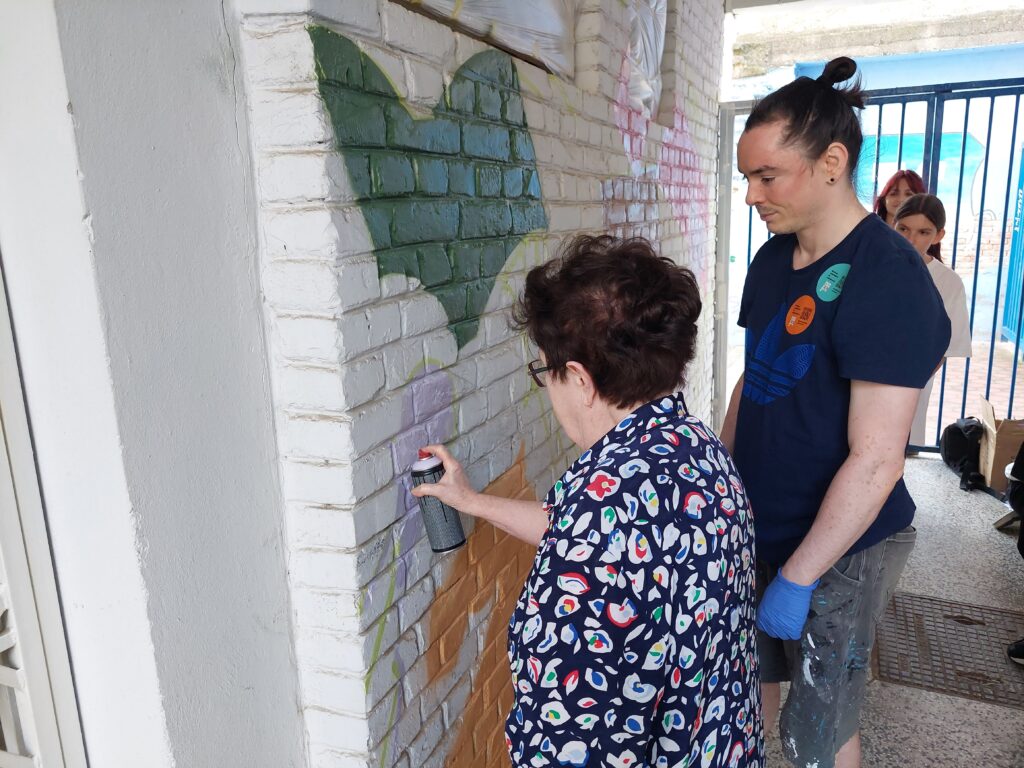
At DKolektiv’s Social Atelier in Osijek, volunteering begins with a simple idea: a community space can be shaped by the people who use it.
Young people, international volunteers, students, older citizens and other community members come together at the Atelier, bringing their skills, interests and ideas with them. Many first arrive as participants. Over time, some take on more active roles as volunteers, organizers or initiators of new activities.
That shift is at the heart of Social Atelier.
Volunteers share their time and knowledge in many different ways. They support older people as they build confidence using smartphones and digital services, lead language and conversation clubs, tutor children, design workshops and organize community events. They also facilitate creative and intergenerational activities and are supported to develop their own initiatives around issues they care about.
In doing so, volunteering becomes more than giving time. It becomes an opportunity to share knowledge, create connections and help others become more active in their community.
In 2025, 448 people took part in Social Atelier activities. More than 30 young people and volunteers participated in its volunteer club, supported 84 older people through the Digital Corner and organized community activities, events, dialogues and workshops.
The growth of the volunteer club is an important part of that story. It reflects a move from occasional volunteering toward shared responsibility for the Atelier’s program, creating space for new activities to grow from the interests and experiences of community members.
For international volunteer Andrea Sánchez, the experience was about more than what she was able to give. “It was a project that not only contributed to them, but also to me; I learned, I grew.”
At Social Atelier, generosity takes many forms: a person sharing a skill, giving their attention to someone who needs support, working alongside someone from another generation or helping turn an idea into a community activity. Together, these contributions help create a space where people can participate, connect, and contribute.
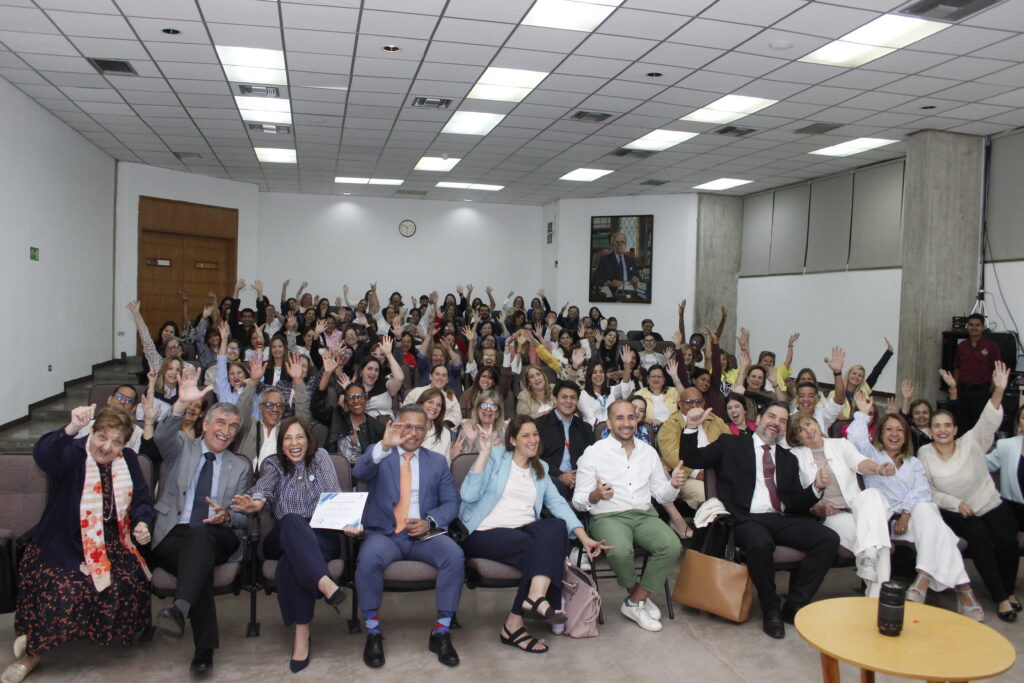
For 11 years, the Foro FIPAN has brought together organizations working to strengthen Venezuela’s civil society sector. At the heart of the forum is a spirit of professional volunteering, with national and international specialists generously donating their expertise and professional fees to support FIPAN’s 46 member organizations.
Among them is Claudia Álvarez Ortiz, a professor at IESA and a specialist in critical thinking and leadership development, who will speak at the upcoming 11th Foro FIPAN. For Claudia, sharing her expertise pro bono is one way of giving back to her country and contributing to the organizations working to strengthen Venezuela’s social sector.
“Donating my professional experience pro bono is an expression of deep love for Venezuela. It moves me to know that, by providing these strategic tools, we are strengthening the heart and important work of these organizations.”
That generosity has a direct impact on the people and communities those organizations serve. María Russo, president of the Sociedad Venezolana para Niños y Adultos Autistas (SOVENIA), a FIPAN member organization, has seen the value of this support firsthand.
“This training gives our teams hope. It allows us to innovate and improve our processes so we can continue providing dignified, high-quality care to people with autism and their families.”
At the 11th Foro FIPAN, professional volunteers will share their knowledge and experience through sessions such as the central panel, “Alliances that Transform Cooperation,” which brings together professionals from the private sector to share their expertise and help strengthen civil society organizations.
Through their time, skills and generosity, these volunteers are helping organizations build their capacity and continue the work that matters most: supporting people and communities across Venezuela.
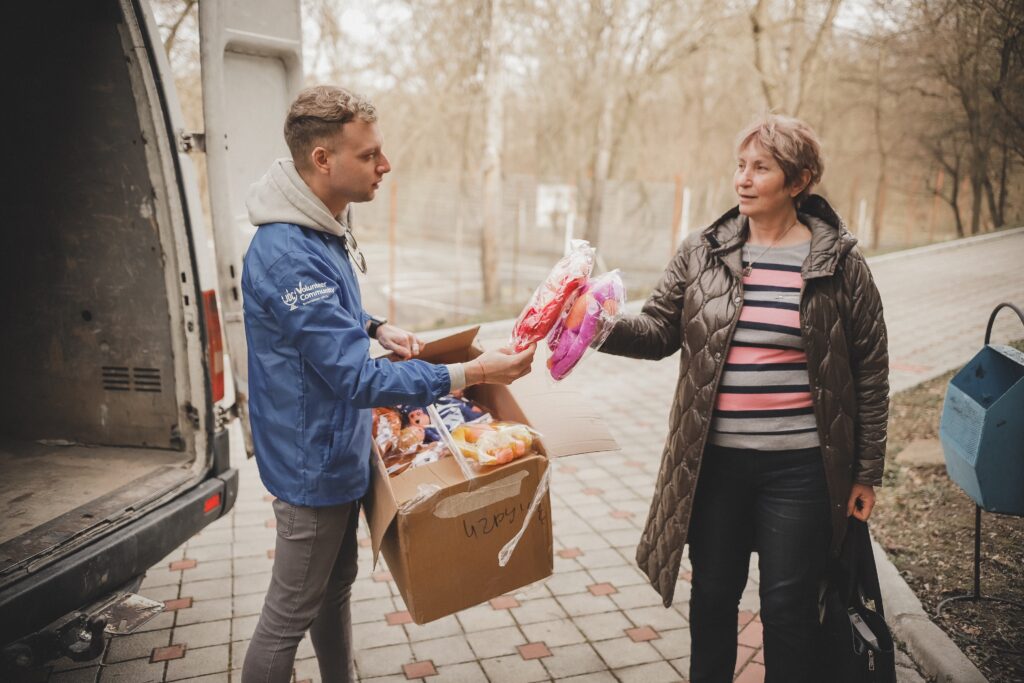
In 2016, Nicolai Railean, CEO of Volunteer Center RVC and Head of the Volunteer Community Development Department, had an idea: create an opportunity for volunteers to support older people in the community, particularly those living alone and needing more than one-time assistance. That idea became the Origins of Mercy program in Chisinau, Moldova.
Ten years later, the program continues to operate and evolve. What began as one volunteer initiative has become part of a broader system of support, helping older people navigate everyday life without having to face challenges alone.
Volunteers visit people in their homes, stay connected by phone, help with practical matters, deliver food packages, organize activities and events, and simply spend time together. In many ways, they are giving what they can: their time, skills, attention and care. As Nicolai puts it, “The most important part is not one-time assistance, but relationships that can continue for years.”
Today, RVC brings together 450 long-term volunteers each year, supporting 1,500 older people with different needs. Across three cities in Moldova, volunteers take part in around 60 actions and projects each year.
The work has also extended beyond Origins of Mercy. RVC became the foundation for the development of Volunteer Community, an international volunteer network connecting initiatives in six countries. What started with a specific need in Chisinau has become part of a broader system of volunteer support, showing how generosity can take many forms and how giving our time and care can create lasting connections.
For Nicolai, this is the most important result: “One idea can become the beginning of a much larger system of care when people come together around it.”
Looking for creative ways to spark generosity? This section is packed with ideas and examples to help you brainstorm unique approaches for your GivingTuesday campaign. Whether you’re a nonprofit, business, or individual, uncover new approaches to inspire enthusiasm and rally support for your cause. Let these resources kick off your planning!
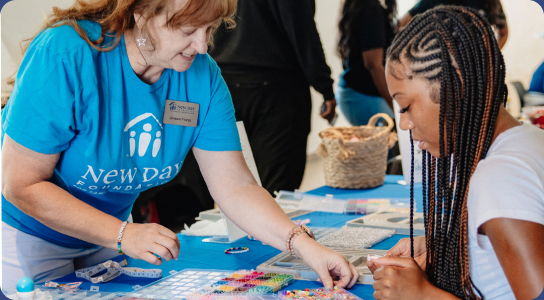
This section is for community foundation leaders looking for tools and resources they need to run a successful GivingTuesday campaign. To spearhead a community-wide initiative, you’ll find everything from toolkits to step-by-step guides that help simplify and streamline the planning process. These resources are tailored to help you inspire giving and lead your community to a successful GivingTuesday.
June 2, 2026
May 19, 2026
April 1, 2026
February 20, 2026
February 5, 2026
January 30, 2026
November 17, 2025
November 10, 2025
November 10, 2025
November 10, 2025
November 10, 2025
November 3, 2025
September 22, 2025
August 29, 2025
August 15, 2025
July 28, 2025
July 7, 2025

June 30, 2025

June 16, 2025

April 18, 2025
February 25, 2025