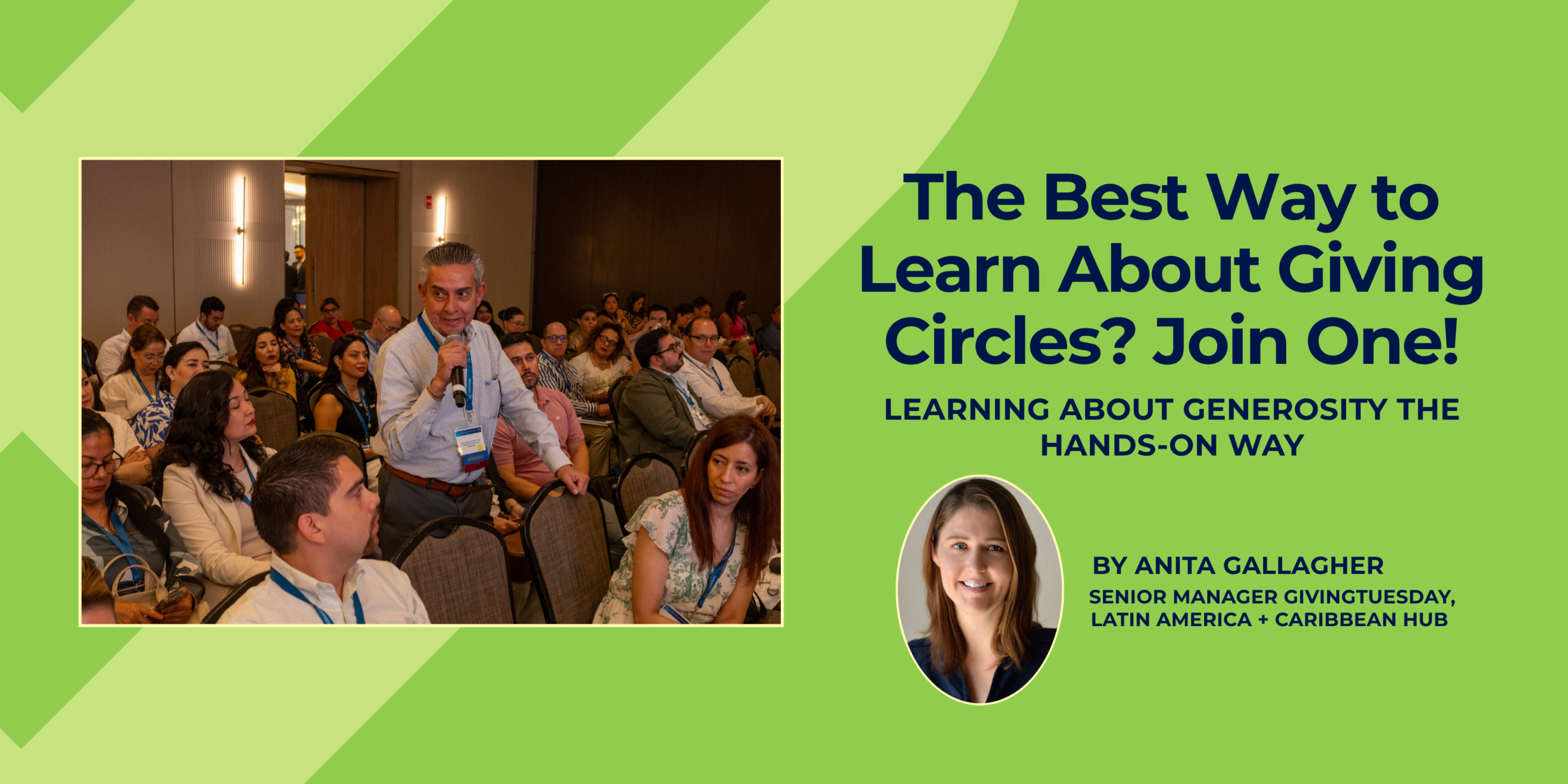
As Senior Manager of GivingTuesday’s Latin America and Caribbean Hub, I’ve spent years working with community leaders, nonprofits, and educators to explore new ways of engaging people in generosity.
One approach I keep returning to is the giving circle. Often mistaken for a fundraising tool or just the next philanthropy gimmick, I see giving circles as something else entirely: a joyful space that offers people agency and a sense of community when it comes to giving.
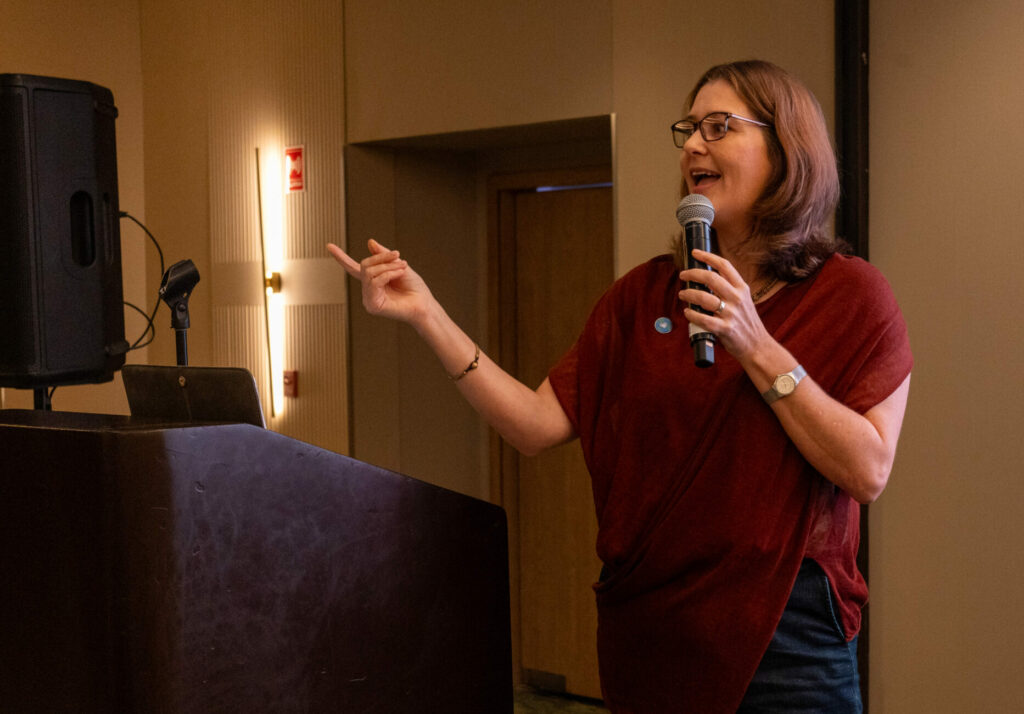
When CASE Latin America invited me to speak about giving circles at their annual conference in Mérida (Mexico), I wanted to do more than just challenge assumptions; I wanted to show just how fun and meaningful circles can really be.
So, instead of talking about giving circles, we ran one.
Setting It Up
With support from Vanessa, our local leader of #UnDíaParaDar Yucatán, we organized a “círculo de dar relámpago”, a lightning giving circle, that takes participants through the full giving circle process in under 90 minutes.
Knowing our audience would be university fundraisers, we selected three local nonprofits representing different causes: one serving children with disabilities, one focused on education, and a local food bank. Each organization prepared a short video invitation to share with participants.
What Happened
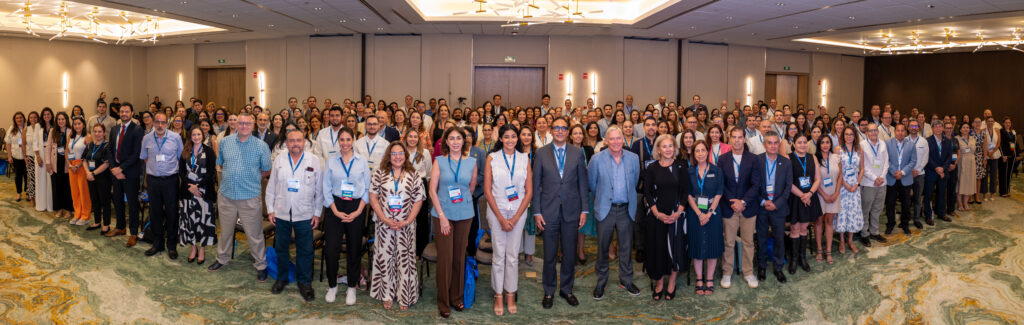
The circle followed a seven-step process. With more than 140 people in the room, the first stage — getting to know one another — was always going to be a challenge. So using Slido, an online polling platform, we asked participants to share an emoji describing how they felt at the start. It was a simple and effective way to engage everyone and create a lighthearted feel from the start.
Then came the giving. Before attendees even knew who they’d be giving to, we invited them to donate via QR code or drop cash in the collection box. The room was buzzing, and after a quick count, we’d raised over 12,000 pesos, roughly $700 USD. At about five dollars a person, it’s a reminder of the power of collective generosity where the result is achieved from many small contributions, not a few large ones.
Next, we revealed the names of the three potential beneficiary organizations and played their videos. (We considered inviting the representatives in person, but decided against it as it felt like a lot to ask, especially with only one organization set to receive support.)
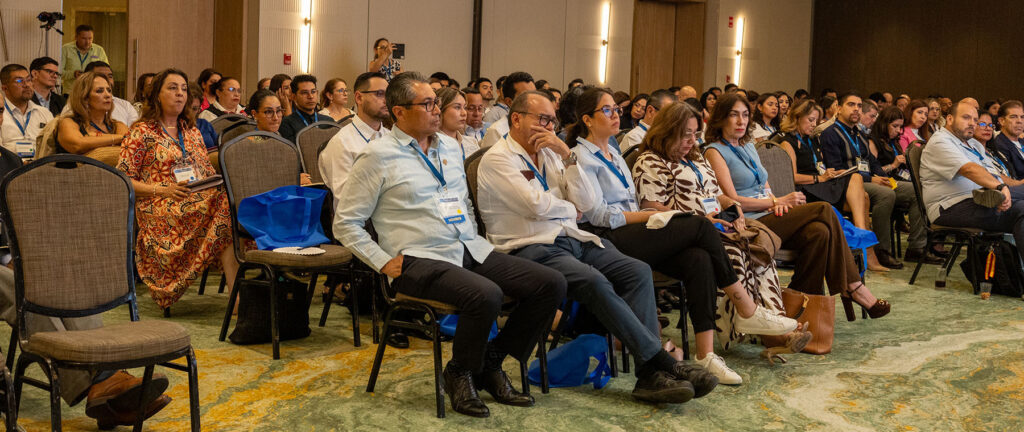
And then, the magic began and we shifted from a simple fundraising exercise into a shared community experience. As we asked participants which organization they were leaning toward, and why, they listened to one another. Gradually, the conversation moved from individual preference to shared criteria: not which organization was “best,” but questions of impact, urgency, equity, and community need. Many people changed their minds as they listened to the insights of their peers.
After another round of preferences, one organization emerged as a third-place candidate, so the group agreed to focus on the two remaining organizations. That vote was so close (55 percent to 45 percent), that we turned the question back to the room: how should we move forward? This is because in giving circles, the process matters as much as the outcome. Working together rather than just outvoting one another leads to creativity and builds our sense of community.
Suggestions came quickly. Some proposed splitting the funds, others wanted another round of voting. In the end, generosity won out: when it was suggested that a second small collection could raise additional funds to support the second place organization, applause broke out.
Before closing, participants nominated a spokesperson to record a short video for the organizations, congratulating the winner and thanking the others. It’s a small step, but an important one. It closes the loop and reminds participants that real people are on the receiving end of their collective decision.
Takeaways
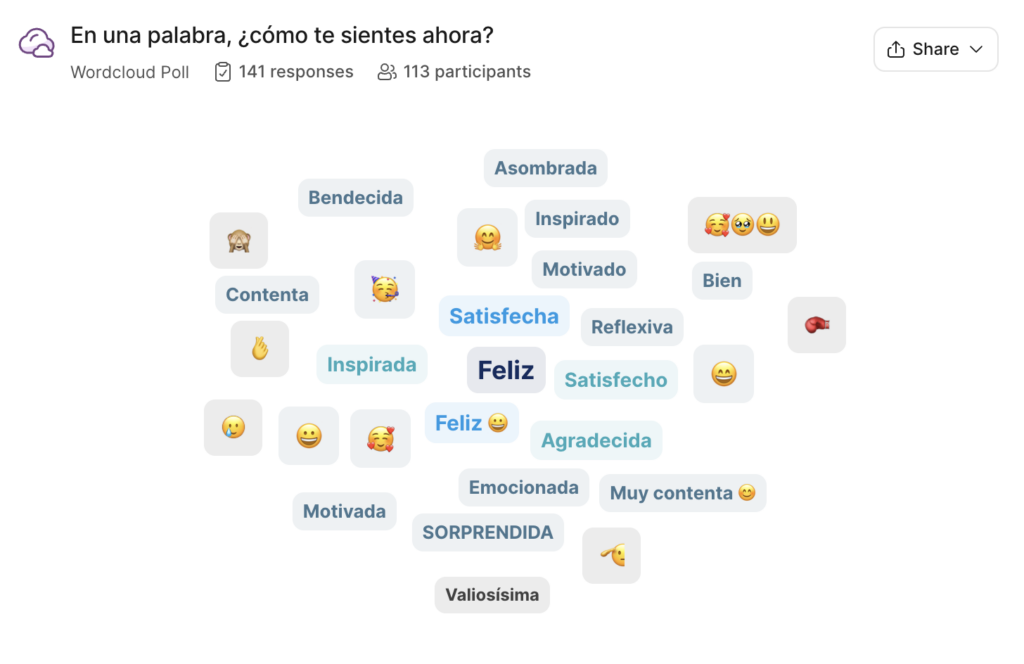
The final step of any giving circle is reflection, and for me it’s always the most important one. We asked one simple question: ¿Cómo te sientes ahora? How do you feel now?
The screen filled with words: Feliz (Happy). Agradecida (Grateful). Inspirada (Inspired). Satisfecha (Fulfilled). Valiosísima (Deeply valued).
The most meaningful outcome wasn’t the 12,000 pesos donated for children’s education, it was the shift in the room. In less than an hour, participants had pooled resources, learned about local challenges, listened to one another, debated priorities, and made a collective decision. They had practiced generosity, not simply by giving money, but by engaging with one another and sharing responsibility for the outcome.
That’s what giving circles do at their best. They transform generosity from a moral obligation into a joyful invitation, from an individual act into a shared experience.
“Working with GivingTuesday and Anita was a great experience. Our conference attendees left with practical ideas they can replicate and adapt within their own organizations.”
— Ana Cecilia Purón, CASE Latin America
How You Can Use This Model
Before closing the session, we discussed how lightning giving circles can be used in educational contexts and further afield. Fundraising staff envisioned using circles to introduce students, alumni, and supporters to different areas of impact. Teaching staff imagined using them to help students explore philanthropy through direct experience, working with community groups to learn about and support local issues.
But my biggest takeaway was simple: whenever someone asks me how giving circles work, my first instinct is no longer to explain them.
It’s to invite them to try one.
Because when it comes to generosity, the best approach is aprender haciendo, learning by doing.