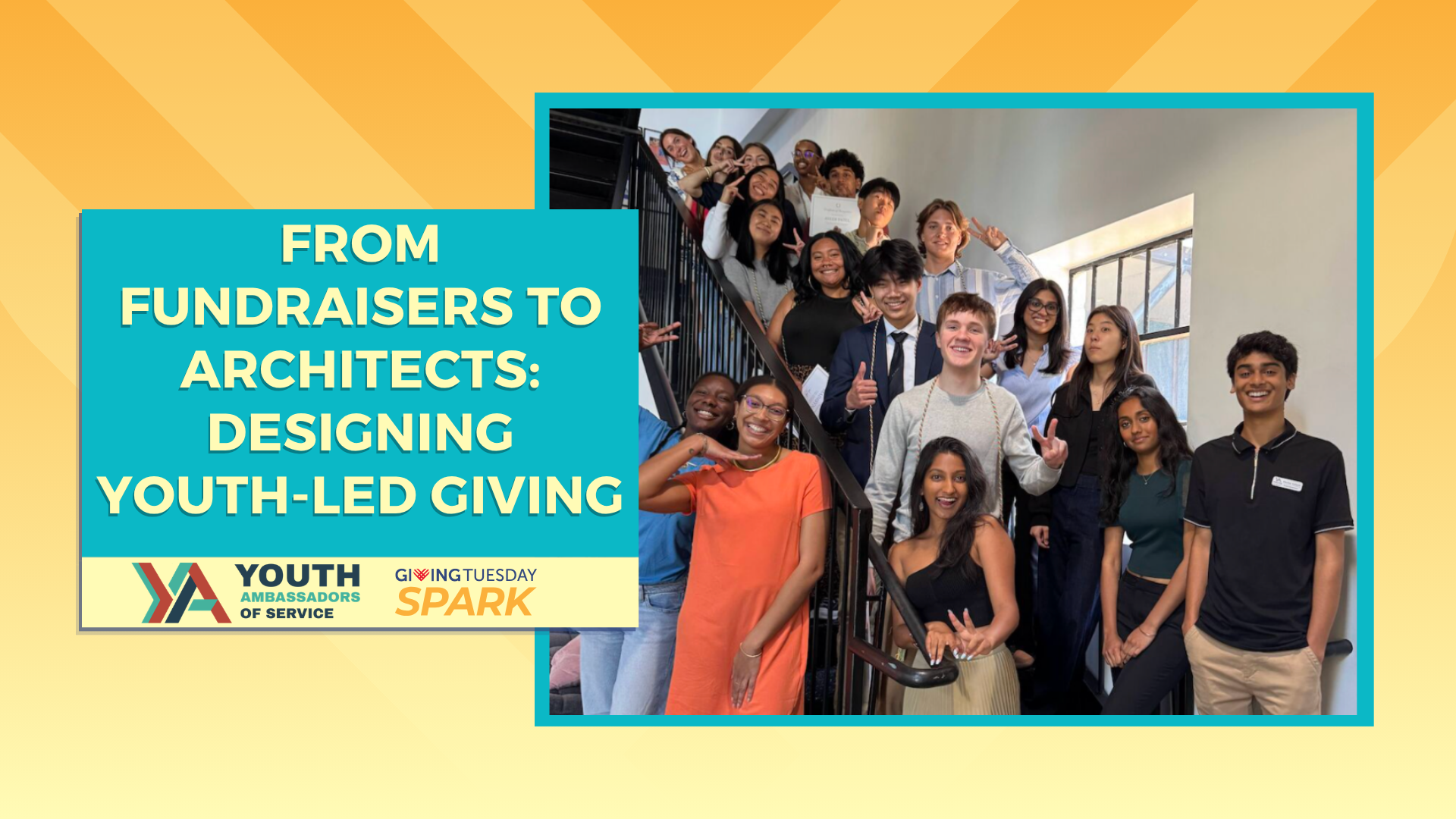
GivingTuesday can do more than bring generosity to your community; it can build leaders. When the youth are trusted to plan, implement, and lead initiatives, they move beyond participation and begin shaping generosity themselves. Around the world, GivingTuesday campaigns are exploring new ways to empower young people to take the lead in their communities.
Too often, campaigns are framed as serving youth by asking them to show up, volunteer, or promote a cause. Few initiatives place young people in the driver’s seat, asking them to identify and address causes they care about and the needs they notice in their communities. Leadership develops when youth are trusted to take initiative, set goals, manage different parts of a project, and deliver outcomes.
This shift changes everything. In practice, it looks less like assigning volunteer hours and more like handing over the blueprint. It means asking young people not just to support generosity, but to design it.
Youth As Campaign Architects
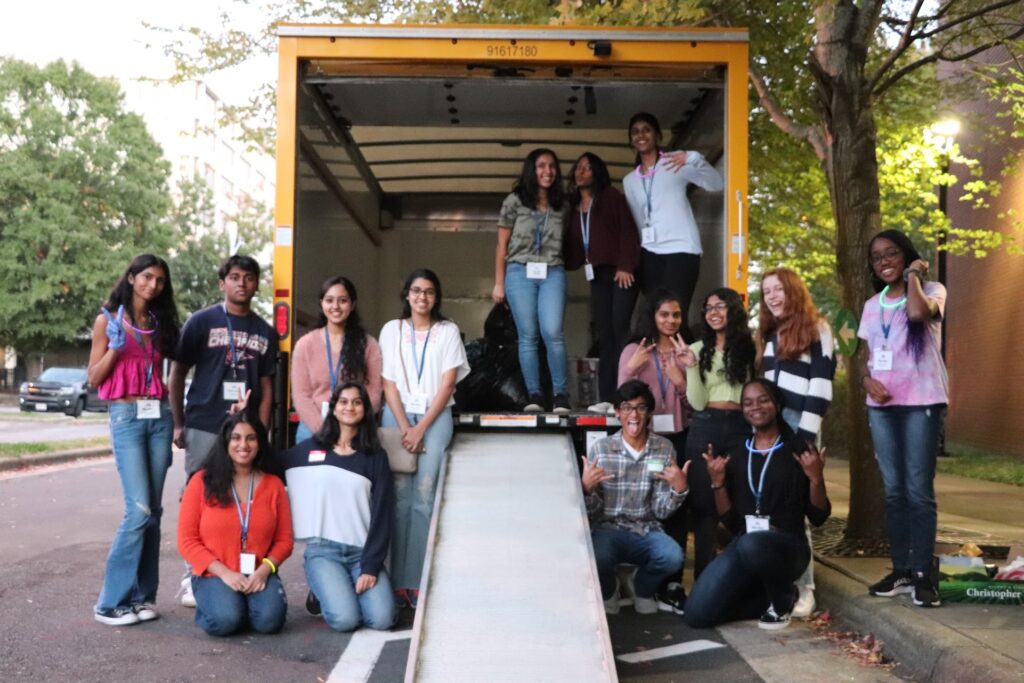
For Youth Ambassadors of Service, an organization led by youth for youth, one of the clearest examples of this shift came through a GivingTuesday initiative designed to redefine what “giving” could mean.
Instead of designing a traditional fundraiser focusing solely on financial contributions, students asked people to share their time and wisdom. For this approach, they designed a youth-adult mentorship “speed dating” event, reaching out to local mentorship organizations and inviting professionals, nonprofit leaders, and community mentors to participate.
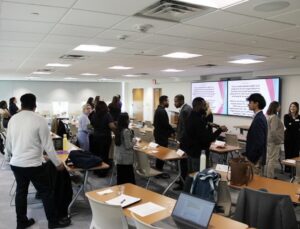 Students coordinated logistics, created talking prompts, and facilitated the flow of the evening, developing a structured series of short, focused conversations between adults and students seated across from one another. Every few minutes, participants rotated down the line to engage in new conversations.
For youth, each interaction centered around advice, lessons learned, and lived experience. What do you wish you knew at 16? How did you navigate uncertainty? What does leadership look like in your field?
For adults, the conversations included emerging trends, fresh perspectives, understanding the digital space, and reflections on what it feels like to grow up in today’s world.
The most important outcome was more than just a GivingTuesday activation. It was the leadership development that occurred through the process. Students were able to design the event around a new idea of generosity they had in mind. They coordinated multiple parties, managed logistics, and problem-solved in real time when challenges arose. They practiced outreach and professional communication, built relationships with adults in fields they were interested in, and facilitated conversations with confidence.
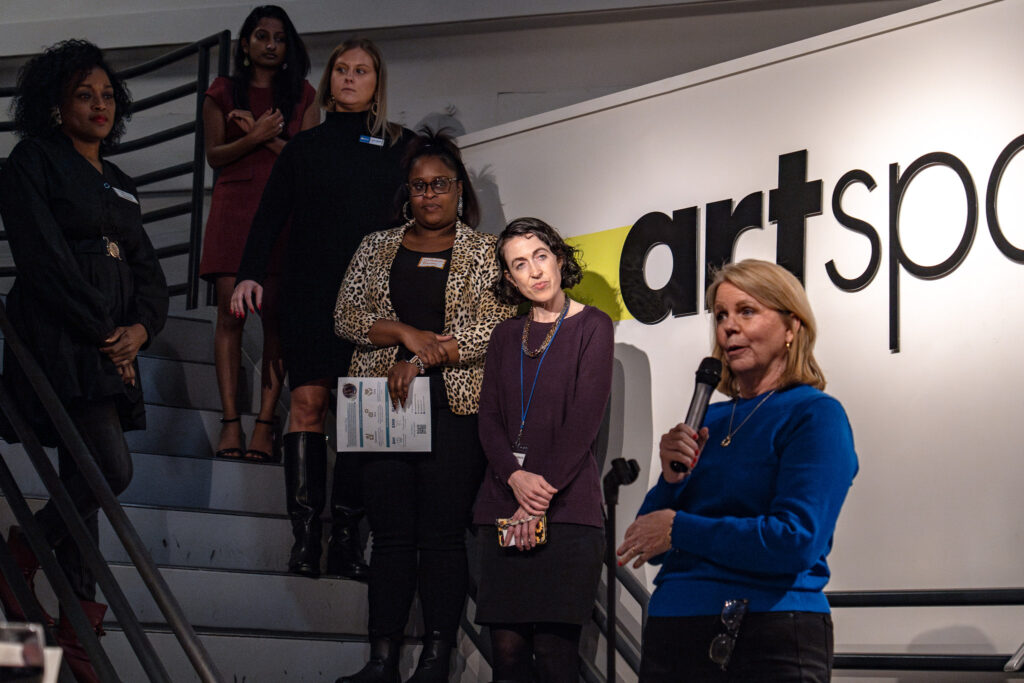
In Guam, we see another example of the power of youth as architects of generosity through KUAM News’ Spark Ambassador program. Each year, KUAM brings together a cohort of young leaders to build skills in service, leadership, and storytelling. Throughout the program, students receive mentorship, training, and support, but it is the Spark Ambassadors who set the direction and decide how they want to give back.
Each ambassador designs their own service project. They choose the cause they care about, determine how they want to serve their community, and rally their peers to join them. Projects have ranged from serving meals to families in need, organizing toy drives, and performing music to spread joy.
“The Spark Ambassadors, affectionately called ‘Sparkies,’ are high school juniors and seniors whom we empower with hands-on training in content creation, journalism, and storytelling while fostering a commitment to community service. On Giving Tuesday, Sparkies lead community projects – supported by our guidance and resources, but planned and carried out by the Sparkies themselves.”
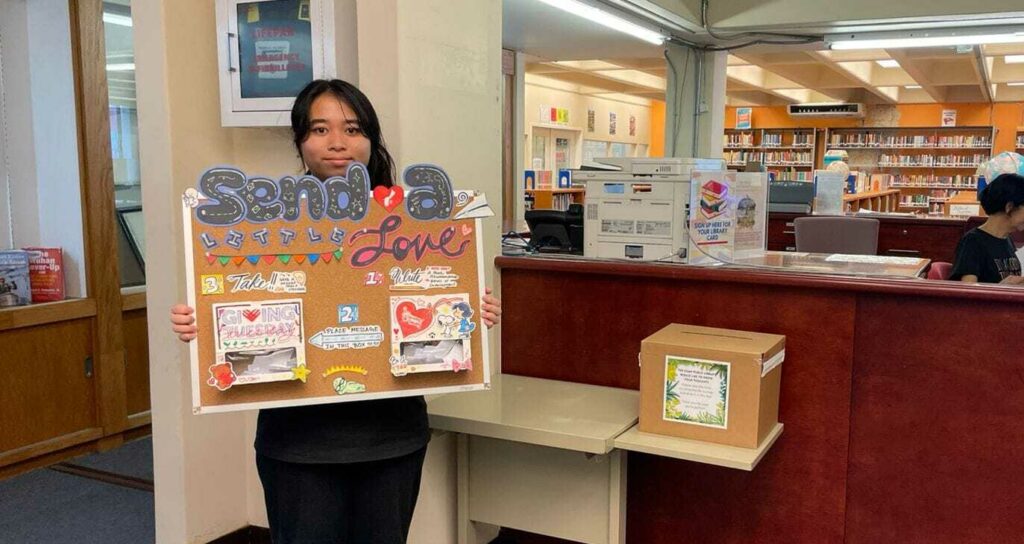
One project, led by Spark Ambassador Kyria Lim, created a pinboard called Send a Little Love in a local library. The installation encouraged visitors to participate in a simple exchange of generosity. Community members could write inspirational messages or book recommendations on blank notecards and leave them behind for others to discover. A second box allowed anyone to take a card if they needed encouragement, turning a quiet corner of the library into a space for small, meaningful acts of care.
Some projects have extended beyond a single GivingTuesday initiative and become ongoing traditions. At George Washington High School, for example, a student-led Harmony March continues each year, bringing students together around generosity and community impact.
When young people shape ideas and carry them forward themselves, they build ownership, pride, and motivation—turning a single project into lasting leadership and a culture of generosity.
The Five Design Principles Model
Across these initiatives, a clear pattern emerges. When young people are given real responsibility, generosity becomes more than participation; it can drive leadership development. Over time, the most effective youth-led initiatives have shown a consistent set of design choices that allow young people to take meaningful ownership while still receiving the guidance and structure they need to succeed. The following five principles, derived from these experiences, offer a practical framework for organizations seeking to move from youth involvement to true youth leadership in GivingTuesday campaigns.
1. Give youth real ownership, not symbolic roles. Let them choose the cause, set the goal, and shape the messaging. When they select a cause they care about and take ownership of it, it builds investment and accountability—laying the foundation for growth and long-term commitment to generosity.
2. Set clear impact, volunteer, or financial benchmarks. Specific goals turn an idea into reality and generosity into a tangible path forward. Students can see their progress and the work necessary to achieve their goals, motivating them to make it happen.
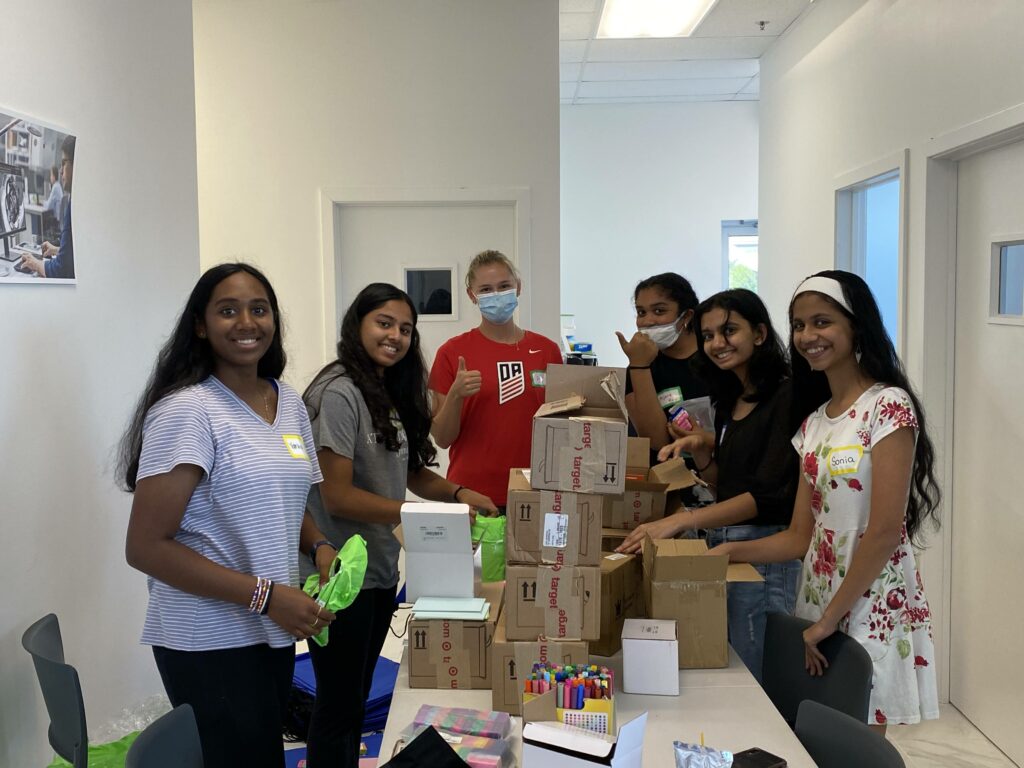
3. Pair generosity with skill-building. These projects naturally involve planning, strategy, budgeting, and outreach. By offering support while maintaining real responsibility, organizations can help young people build skills that extend far beyond a single campaign.
4. Make the impact visible. Seeing a room full of connections come to life turns abstract community benefit into concrete, visible impact and results. When students see the impact of their work, it reinforces their accomplishments and encourages continued commitment to the cause.
5. Build leadership capacity. The goal is not just to execute a single event, but to expand each participant’s ability to lead future initiatives. They leave with greater confidence, refined communication skills, and a clearer understanding of how to move an idea from concept to execution.
Commitment To Generosity
GivingTuesday campaigns offer a powerful opportunity for students to do more than just participate. They can take ownership, learn, and grow through acts of generosity.
When we move from inviting youth to support campaigns to equipping them to architect them, we do more than raise funds. We build confidence, civic literacy, and develop leaders who understand how to identify a need, mobilize a community, and turn an idea into reality.
So what are your next steps? Start with one small project to hand over. Let students pick the cause, set the goal, and figure out how to get there. Sit back and watch what they build.