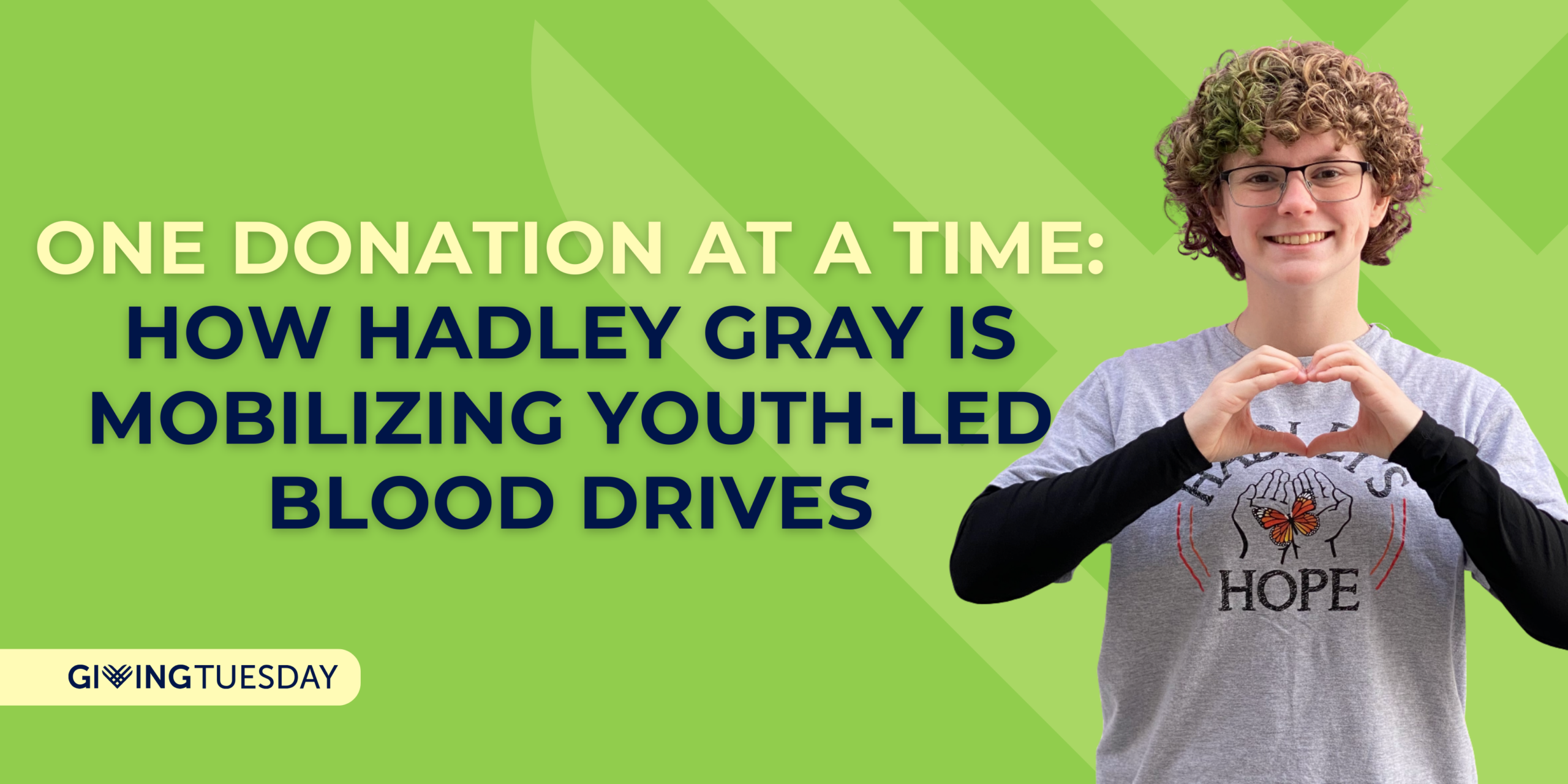
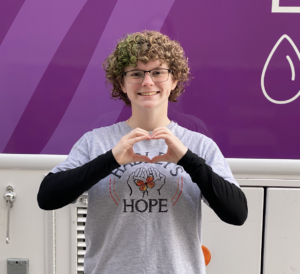
When Hadley Gray first helped organize a blood drive as a fifth grader, she saw something powerful: people showing up to help complete strangers, simply because they could.
Today, as the founder of Hadley’s Hope and a GivingTuesday Spark Leader in the United States, she’s helping create those same opportunities for others. Through community blood drives, Hadley is showing others that giving back doesn’t always require money — sometimes it simply requires the time, care, and a willingness to step up for your community.
With World Blood Donor Day approaching on June 14, her story is a reminder of the impact that one person can have when they choose to take action.
We spoke with Hadley about organizing blood drives, building partnerships, and how youth-led generosity can create real impact.
Q&A with Hadley Gray, Founder of Hadley’s Hope and GivingTuesday Spark Leader
Q: What inspired you to start organizing blood drives?
When I was in 5th grade with the National Elementary Honor Society, we organized blood drives and I saw firsthand how impactful they were. They didn’t cost anything, yet people always showed up ready to help.
Now, as a GivingTuesday Spark Leader, my goal is to find ways to give back that don’t involve money or the pressure of asking for it. I want other youth to know you don’t need funds to make a difference. Giving shouldn’t be limited by money; it should be accessible to everyone.
That’s why blood drives stand out to me. They’re simple to organize, bring people together, and have a real life-saving impact without costing a thing.
Q: For someone who has never organized a blood drive before, where should they start?
They should start by reaching out to blood donation organizations like the Red Cross or Vitalant through their websites. Each organization has information on hosting a blood drive and how to connect with a representative in your area.
Vitalant’s representative emailed me back within a few days, while it took the Red Cross a couple of weeks to contact me. If you already have a date in mind, I recommend starting months in advance to give them time to respond and coordinate availability.
Once you choose a blood donation company, the next step is finding a location. Reach out to schools, community centers, churches, or local businesses to see if they’re willing to help host. This is the fun part — think outside the box because you never know what place will say yes. There are many people out there who want to help make a difference.
Q: What were your first steps in getting your blood drive off the ground?
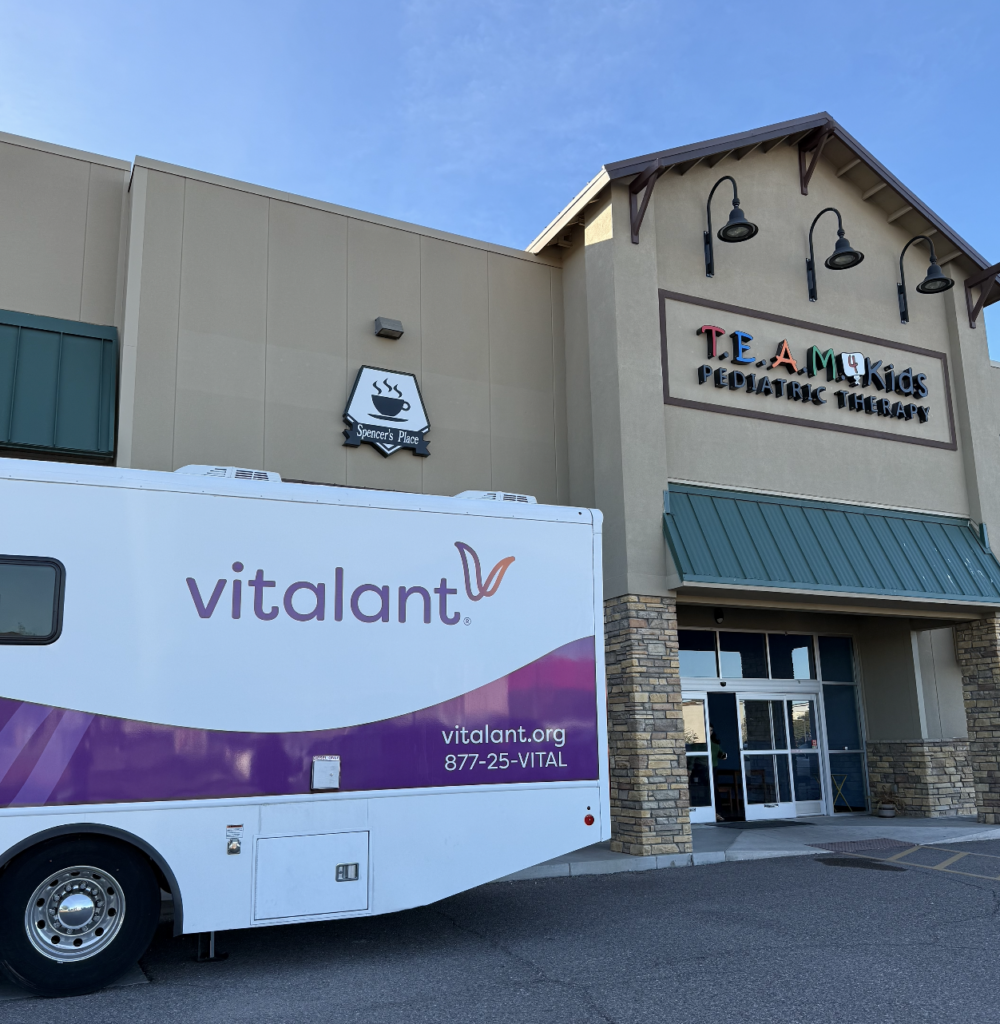
Besides choosing a blood donation company, the first step was finding the right location. We had to make sure it worked with the blood donation mobile unit and met all the requirements, including access to a bathroom for the staff.
After that, we confirmed dates and times that worked for both the host site and the blood donation company. We also made sure everyone stayed on the same email chain so that if anything changed, everyone knew at the same time.
Q: What are the key things you need to successfully organize a blood drive?
The biggest key is having a strong partnership with open communication between the host site and the blood donation company.
You also need a good location with enough space for the mobile unit if the drive is outside, or a large conference room if it’s indoors. Parking for donors and staff is important too.
An easy appointment system that works for all age groups also makes a huge difference.
Finally, community support and involvement are essential. Encouraging friends, family, and local organizations to invite others to donate, spreading awareness on social media, and hanging flyers around local businesses all help make a blood drive successful.
Q: Who did you partner with, and how did you build those relationships?
We partnered with Vitalant mostly because they contacted us first. During our first year, we discovered that the owner of Team 4 KIDS, our host site, and the Vitalant representative were already friends, which helped strengthen the relationship.
We continued building that partnership through constant communication and by always including Team 4 KIDS in conversations and updates. After our first event, Vitalant started reaching out annually to ask if we wanted to organize another blood drive around the same time each year.
Q: How did you spread the word and motivate people to donate or get involved?
Vitalant makes advertising pretty easy by providing marketing materials we can hang at the host site and around the community. Local businesses like coffee shops also allowed me to post flyers.
They also send digital materials we can use on social media. To encourage participation, Vitalant offers donor incentives like gift cards, symphony tickets, and entries into larger prize drawings.
On the day of the blood drive, I stand outside the mobile unit talking to people passing by, letting them know there are open spots and helping them sign up.
Q: What helped make your blood drive feel exciting, welcoming, or meaningful?
We stand outside the mobile unit greeting donors with smiles and helping create a calm, positive atmosphere. People feel more comfortable when those hosting the event are welcoming and available to answer questions.
Sometimes donors need help with the check-in process, so we walk them through it. We also try to know as much information as possible about the hosting site and the impact blood donation has so we can answer questions confidently.
Many donors are surprised to learn that a youth nonprofit organized the event, and they often stay afterward to ask questions about my nonprofit and how they can support the work.
Q: What impact has your blood drive had so far?
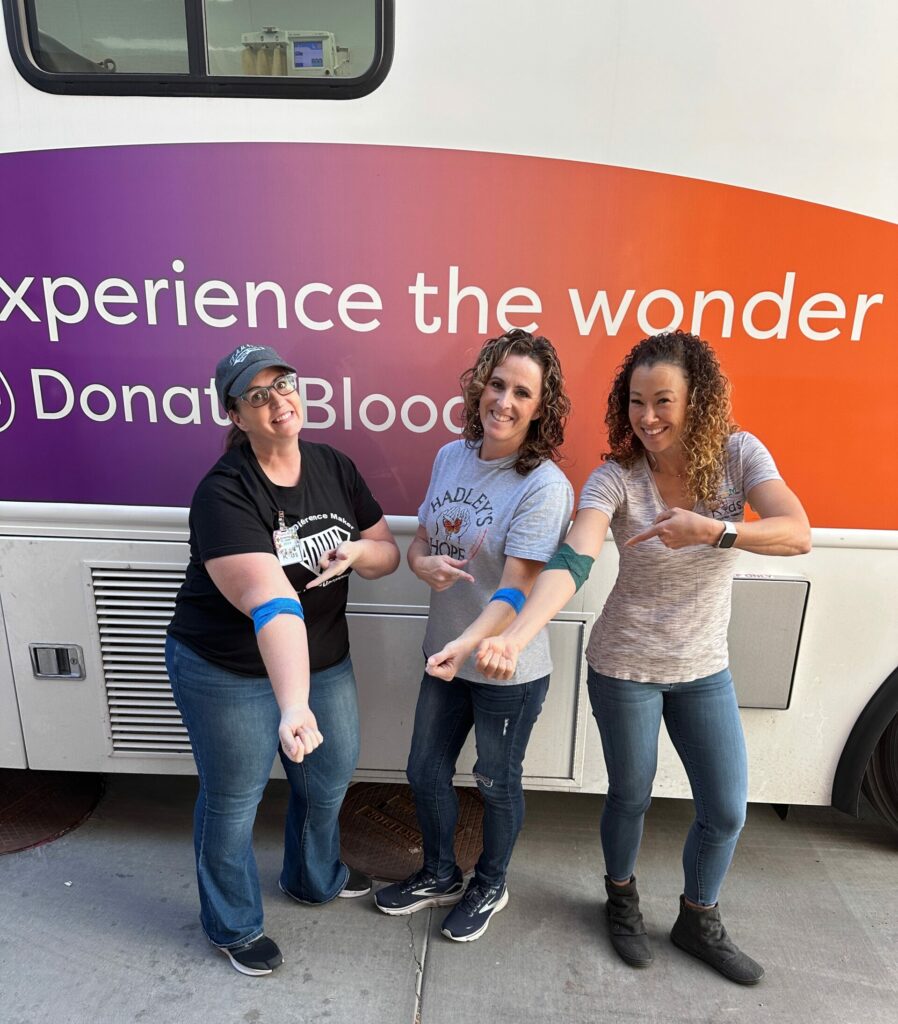
Our first blood drive in 2023 resulted in 19 blood donations, including six first-time donors and two people donating Power Red, which counts as two units instead of one. That drive impacted 63 lives.
In 2024, we had 21 total donations. Four people returned to donate again at my event, one donor gave for the first time, and six people donated Power Red. That drive impacted 81 lives.
In 2025, we had 19 donors, including five returning donors and three first-time donors. That drive impacted 57 lives.
Q: What was one challenge you faced, and how did you navigate it?
One challenge was meeting the requirement of keeping a bathroom accessible for the entire duration of the event, since the hosting site normally closed before the blood drive ended.
We didn’t find out about the requirement until just a few days before the event, which meant the host site had to quickly find a solution. Luckily, one employee volunteered to stay later so the bathrooms could remain open for the blood drive staff.
Q: What would you say to a young person thinking about organizing their first blood drive?
If a young person told me they were thinking about organizing a blood drive, I would tell them to 100% go for it.
I know organizing a blood drive can seem intimidating at first, but blood donation organizations help walk you through the entire process. They take care of many of the logistics, including donor appointments, so your main job is often helping secure a location and spread the word.
My biggest piece of advice is to connect with a blood donation organization early, especially if you have a specific date or location in mind. Planning ahead gives everyone more flexibility and helps ensure your drive is set up for success.
One whole blood donation saves three lives, so the impact your blood drive can have on your community is bigger than you can imagine.